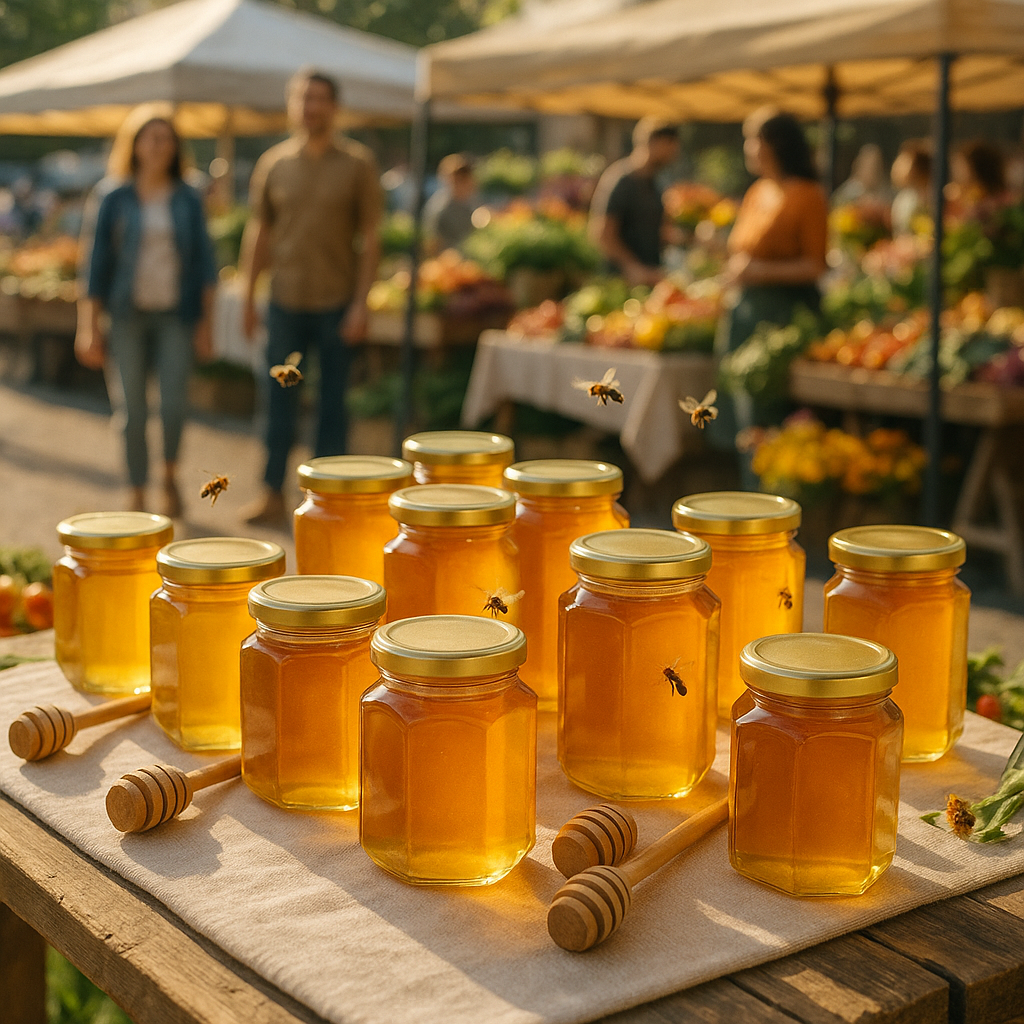
Our favourite part of beekeeping does not involve the honey shed at all. It happens under a pop-up awning on a Saturday morning when the air smells like coffee and cut herbs and the first curious passer-by slows at the sight of jars catching the light. Markets are where Beelicious stops being a label and becomes a conversation, and those conversations are the reason we keep showing up even on the hottest Queensland days.
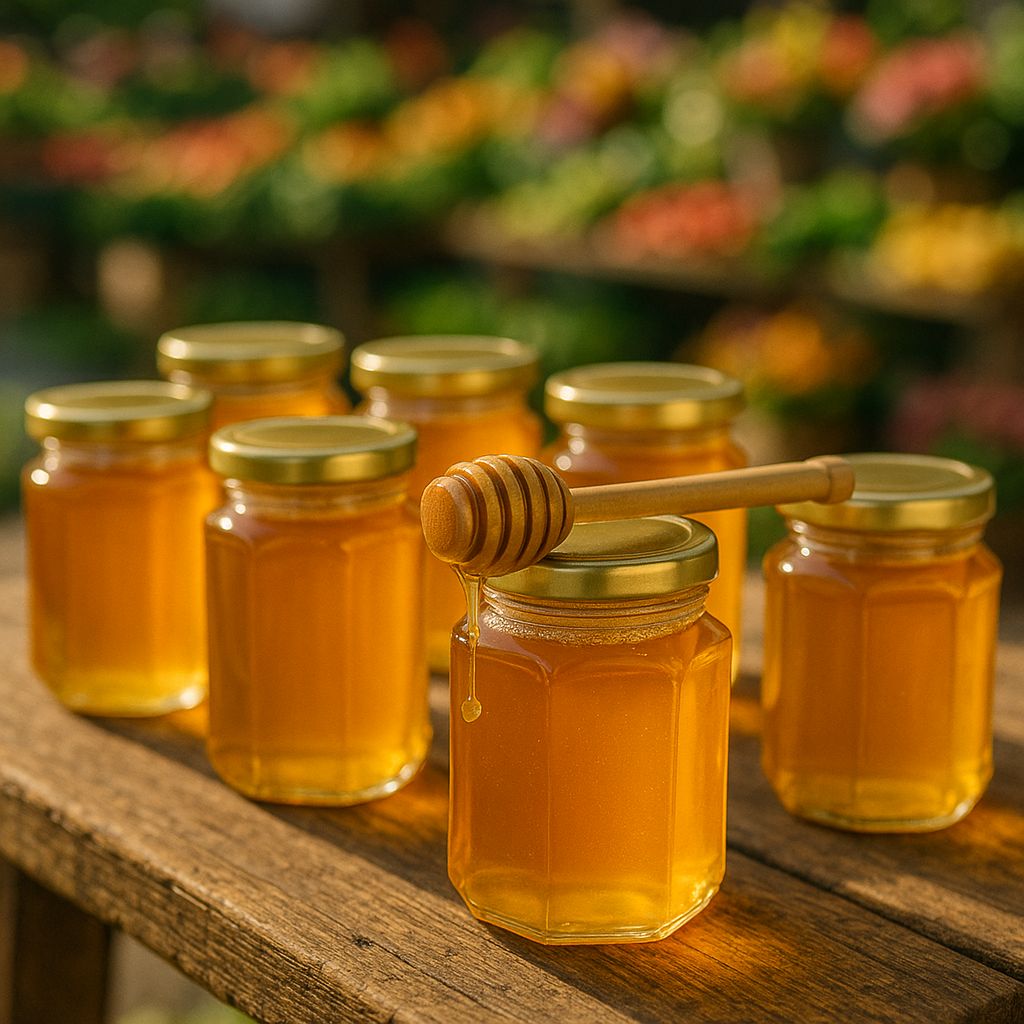
A market stall begins earlier than most people imagine. We load tables, banners, tubs of sample spoons and the week’s harvest before dawn and drive while the sky is still rinsing from black to blue. There is a choreography to setup that our hands now know by heart: legs locked, cloths smoothed, jars lined in rows that read as a gradient from pale to amber to dark. Someone tests the square reader, someone checks change, someone opens the first jar for tasting and inhales like they have never smelled honey before — because a new harvest always feels new.
By eight o’clock the lane is alive. Regulars appear with empty jars and stories from last week. Children peer at the observation frame, try on a tiny veil for a photo and ask excellent questions about queens and stings. Travellers taste a spoon and smile in the universal language of good food. We answer the same questions gladly because they are the right ones: What do the bees eat here? Why did last month’s jar taste different? How should I soften crystals? The stall becomes a small classroom where everyone leaves with sticky fingers and better knowledge.
Markets reach beyond sales. They are a way of keeping money and care in the community. Garden clubs use our jars for raffles, schools run fundraisers with special labels, cafés drizzle honey over house granola and tell the story of the hives to customers who want to know where their breakfast comes from. We trade jars for lemons with the stall across the aisle and leave with a bag of imperfect peaches that will become jam at home. The web widens quietly around a trestle table.
There are hard days. Heat can make honey sulk, wind can try to lift the marquee, and summer storms can send everyone packing with a laugh and a sprint. But even those days leave us lighter because markets make the work visible. Beekeeping is patient, seasonal labour. To hand a jar across a table and hear the word “beautiful” reminds us why we do it.
If you have not visited us yet, please do. Come taste the differences between seasons. Tell us what you are cooking. Ask us how to plant for bees at home. Bring a child with questions; they are always the best customers. We will be there with the same care we take in the apiary, the same respect for the bees and the same belief that food tastes better when you know the people who made it.
In the end, markets are just another form of pollination. Ideas and recipes pass from person to person. Friendships form. Jars go home to new kitchens and the story of the hives finds fresh listeners. We leave tired, sun-freckled and grateful, ready to do it again the next weekend because this is the part of beekeeping that lets us see the faces behind the breakfasts.